Biofilm
-m biofilm
The biofilm module identifies key Staphylococcus aureus genes involved in biofilm formation, including surface proteins (clfA, clfB, fnbA, fnbB), the collagen-binding protein cna, polysaccharide intercellular adhesin genes (icaA–D), and the icaR regulator. These genes contribute to adhesion, biofilm maturation, and regulation of the biofilm phenotype (Idrees et al. 2021).
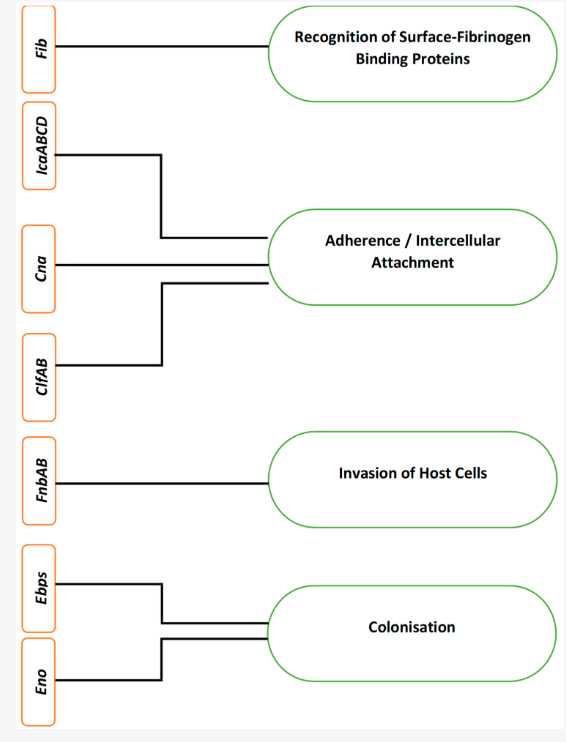
Figure 1. Biofilm formation (Idrees et al. 2021).
A curated FASTA file containing representative biofilm gene sequences is bundled with the module and stored in the /data directory.
All the genes found are annotated as follow:
-
No annotation: an exact nucelotide match is found
-
^: inexact nucleotide match but perfect amino acidic match -
*: inexact nucleotide and inexact amino acidic match -
?: incomplete match -
-X%: truncated amino acidic sequence
Parameters
Hits are filtered by minimum alignment identity and coverage:
--min_id_biofilm : Minimum alignment percentage identity (default: 90)
--min_cov_biofilm: Minimum alignment percentage coverage (default: 80)
All hits with 80–90% identity or 40–80% coverage are reported as spurious hits.
Biofilm score
A biofilm score is calculated, based on the genes detected.
It follows this criteria:
-
5: cna + icaABCD + clf + fnb
-
4: icaABCD + clf/cna + fnb
-
3: icaABCD + fnb
-
2: icaABCD + clf/cna
-
1: icaABCD
-
0: icaABCD incomplete/absent
This scoring system reflects the multifactorial nature of S. aureus biofilm formation, wherein the cumulative presence of these specific genes signifies increased biofilm-forming capacity and enhanced virulence (Nathan K et al. 2011; Zapotoczna et al. 2016).
The presence of the icaABCD operon is crucial for biofilm development (Score 1), particularly in methicillin-sensitive S. aureus isolates (Cramton et al. 2001; Zapotoczna et al. 2016). A complete icaADBC operon, along with its repressor icaR, is essential for the synthesis of PIA polysaccharides, which are crucial for intercellular adhesion and biofilm formation (Piechota et al. 2018).
Increasing the biofilm potential (Score 2), the co-occurrence of surface proteins like cna, clfA or clfB, facilitates adhesion to different surfaces (Foster. 2019; Madani et al. 2017). The genes fnbA and/or fnbB with the icaABCD operon (Score 3), facilitates stronger adhesion to host tissues and medical devices, thereby enhancing the overall biofilm architecture and its resilience against antimicrobial agents (O'Neill et al. 2008).
Finally, the combinations of the previously genes (Score 4 and 5), characterize isolates with both versatility and high-production capacity. (Idrees M et al. 2021).
Output
Results are grouped for each gene-family, and reported individually if any imperfect match is found.
| Field | Description |
|---|---|
biofilm_score |
Biofilm score (0–5) |
biofilm_truncated_hits |
Genes with truncations or premature stop codons |
biofilm_spurious_hits |
Genes with weak hits |
cna |
Detected cna |
clfAB |
Status of clfA and clfB genes (Complete/Incomplete/-) |
fnbAB |
Status of fnbA and fnbB genes (Complete/Incomplete/-) |
icaADBC |
Status of icaA–D genes (Complete/Incomplete/-) |
clf_genes |
Detected clf genes |
fnb_genes |
Detected fnb genes |
ica_genes |
Detected ica genes |
icaR_mutations (Schwartbeck et al. 2024) |
Truncated icaR regulator |